How to Select the Ideal Custom Formula for Non-Toxic Sensory Toys in Bulk
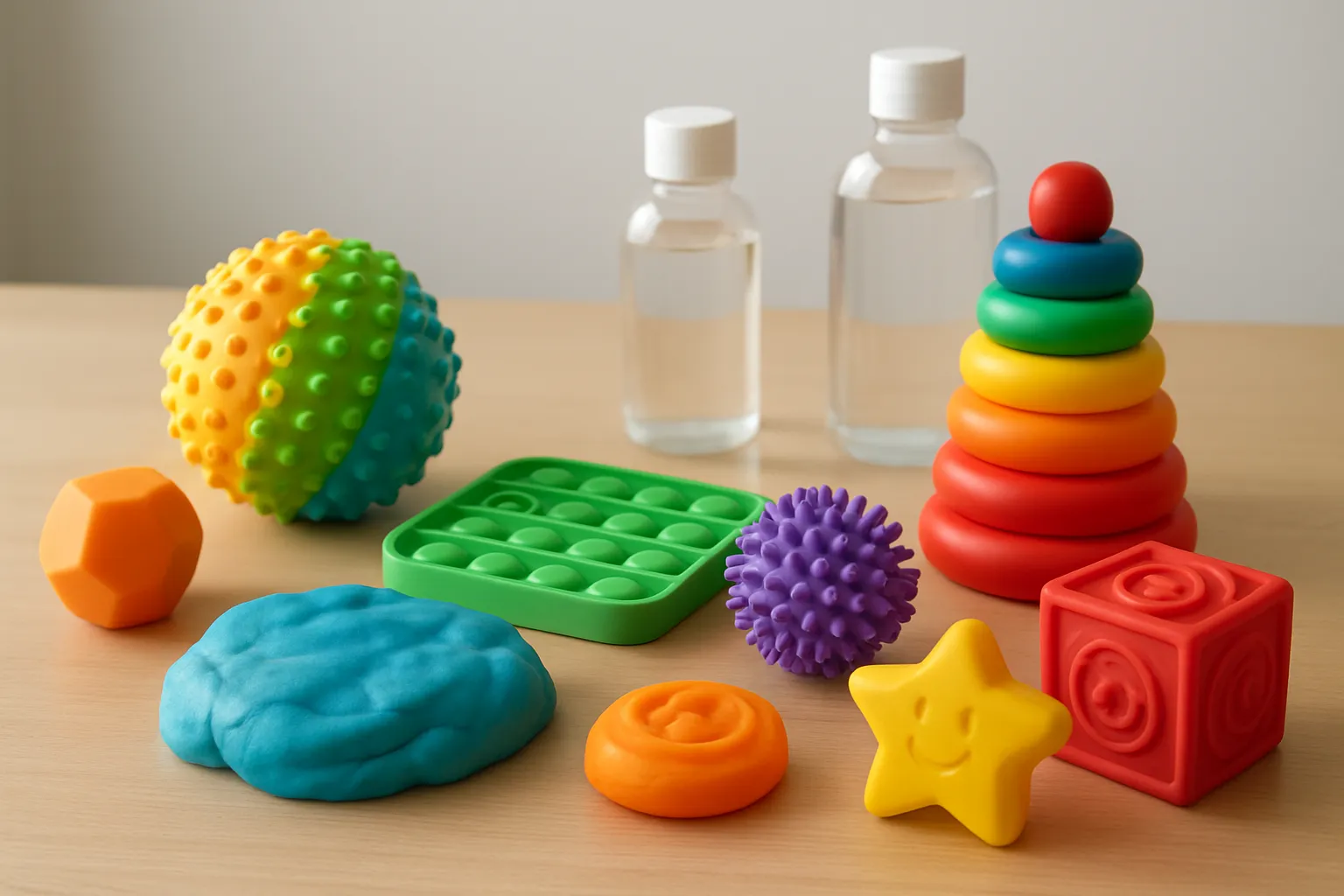
In today’s evolving marketplace, non-toxic sensory toys are increasingly popular due to their educational and therapeutic advantages. As businesses aim to source these products effectively, grasping how to select the best custom formula becomes crucial. This article serves as a comprehensive guide on how to choose the right custom formula for non-toxic sensory toys in bulk, ensuring safety, compliance, and effectiveness.
1. Understanding Custom Formulas
Definition of Custom Formulas
Custom formulas are specially designed compositions intended to meet specific requirements for products like sensory toys. These formulas are crafted based on the distinct needs of the target audience, guaranteeing optimal performance and safety.
Importance in Sensory Toys
From my experience, the right custom formula can significantly enhance the sensory experience, making it more engaging and beneficial for users. The formula influences texture, durability, and the overall sensory feedback, which makes it essential for manufacturers to invest time in selecting the appropriate one. I believe this investment pays off in the form of customer satisfaction and repeat business.
Key Ingredients to Consider
When evaluating custom formulas for sensory toys, it’s crucial to consider ingredients like non-toxic polymers, natural dyes, and safe additives. These components not only enrich the sensory experience but also ensure that the toys are safe for children and compliant with health regulations. For more information on safe materials, check out this technical reference.
2. Non-Toxic Standards and Certifications
Overview of Non-Toxic Materials
Non-toxic materials are vital in the production of sensory toys, especially for children who often explore their surroundings through touch and taste. Materials such as silicone, organic cotton, and BPA-free plastics are commonly utilized in non-toxic sensory toys.
Relevant Certifications and Labels
It’s essential to look for certifications such as ASTM, EN71, and CPSIA, which indicate that the products meet safety standards. Labels like “non-toxic,” “phthalate-free,” and “lead-free” are also key indicators of product safety that consumers often seek.
Impact on Safety and Compliance
By adhering to non-toxic standards and obtaining the necessary certifications, businesses not only comply with safety regulations but also cultivate trust with consumers. From what I have seen, companies that prioritize safety tend to thrive in the competitive toy market.
3. Use Cases for Non-Toxic Sensory Toys
Educational Settings
Non-toxic sensory toys are extensively employed in educational settings to support cognitive development and sensory processing. They can assist children in developing fine motor skills, enhancing focus, and improving social interactions.
Therapeutic Applications
These toys are also hugely beneficial in therapeutic contexts, providing comfort and engagement for children with sensory processing disorders or autism. The right custom formula can significantly enhance the effectiveness of these toys in therapy, making them invaluable tools for practitioners.
Home Use and Family Environments
In family settings, non-toxic sensory toys encourage safe play for everyone. Parents are increasingly seeking out these products to ensure their children have access to safe and beneficial play options, which is a trend that I find encouraging.
4. Comparing Different Custom Formulas
Performance Metrics
When comparing custom formulas, it’s critical to focus on performance metrics such as durability, sensory feedback, and ease of cleaning. These aspects determine the longevity and usability of sensory toys, which can directly impact consumer satisfaction.
Cost Analysis
A thorough cost analysis is essential to grasp the financial implications of different custom formulas. It’s important to consider not just initial costs but also the long-term value, including potential returns on investment. This holistic view can guide better purchasing decisions.
Supplier Reputation
Evaluating the reputation of suppliers offering custom formulas is paramount. Researching their history, customer reviews, and case studies can help ensure you partner with a reliable manufacturer capable of delivering quality products consistently.
5. Sourcing and Suppliers
Finding Reliable Manufacturers
To find reliable manufacturers, start by attending trade shows, utilizing online directories, and networking within industry groups. A thorough vetting process is vital to ensure you partner with a supplier that aligns with your quality and safety standards.
Evaluating Supplier Capabilities
Assess suppliers based on their ability to produce custom formulas that meet your specifications. Consider their production capacity, technology, and experience in the toy industry to determine their suitability for your needs.
Negotiating Bulk Purchase Agreements
Once you identify potential suppliers, negotiate bulk purchase agreements that encompass favorable pricing, delivery timelines, and quality assurance measures. Building a solid relationship with your supplier can lead to better terms and collaborative opportunities, which I find is often overlooked.
6. Implementation Strategies
Testing and Quality Assurance
Before launching your products, implement rigorous testing and quality assurance protocols. This step is crucial to ensure that the sensory toys meet safety standards and perform as intended, which ultimately protects your brand’s reputation.
Integration into Existing Product Lines
If you already have a product line, consider how non-toxic sensory toys can complement your offerings. Effective integration can enhance your brand’s reputation and attract a broader audience, as I’ve seen many brands successfully do.
Marketing Non-Toxic Sensory Toys
Develop a marketing strategy that emphasizes the benefits of non-toxic sensory toys. Highlighting safety, educational value, and therapeutic benefits can help attract potential customers and set your product apart in the marketplace.
7. Frequently Asked Questions
Common Concerns About Custom Formulas
Many businesses express concerns about the consistency and reliability of custom formulas. Establishing clear communication with your supplier can help alleviate these concerns and ensure a steady supply of quality products.
Bulk Purchase Considerations
When purchasing in bulk, it’s important to consider storage capabilities and inventory management. Proper planning can help mitigate risks associated with overstocking or stockouts, which can be a significant challenge.
Support and Resources Available
Utilize industry resources, such as trade associations and online forums, to gain insights and support. Many organizations offer guidance on best practices for sourcing and implementing non-toxic sensory toys, which can be invaluable for newcomers.
Conclusion
Selecting the ideal custom formula for non-toxic sensory toys in bulk involves careful consideration of various factors, from ingredient selection to supplier reputation. By focusing on safety, compliance, and performance, businesses can effectively meet the growing demand for these beneficial products. Investing in quality custom formulas not only enhances the sensory experience but also positions your brand as a trusted leader in the market.